
Creamy Winter Vegetable Casserole

A cozy, cheesy casserole that turns simple winter vegetables into a creamy, comforting centerpiece—perfect for weeknight dinners and potlucks.

This creamy winter vegetable casserole has been a quiet hero in my kitchen for years. I first put these humble ingredients together on a snowy evening when the pantry was modest and the family wanted something warm, cheesy, and nourishing. The combination of tender cauliflower, bright broccoli, and sweet carrots in a velvety cheese sauce proved unexpectedly satisfying: it fills the house with a gentle, savory aroma and provides the comfort of a classic gratin without fuss. Every spoonful offers soft, slightly caramelized edges and a silky sauce that clings to each vegetable piece.
I discovered this version while riffing on a traditional school-dinner bake, and it instantly replaced several weekday dinners in rotation. The texture balance—steamed vegetables that still retain a little bite and a sauce thick enough to coat without becoming gluey—was the key breakthrough. It’s the sort of dish that receives compliments from toddlers and grandparents alike, and it travels well to potlucks, holiday tables, or a simple family supper. Each time I make it, someone asks for seconds and then jots down the recipe on the back of an envelope.
Why You'll Love This Recipe
- Comforting and approachable: ready in about 45 minutes from start to finish, it turns pantry and fridge staples into a show-stopping side or light main.
- Flexible components: uses easy-to-find vegetables and common dairy items—no specialty shopping required, ideal for last-minute gatherings.
- Make-ahead friendly: you can assemble the dish a few hours in advance and bake just before serving, saving active time on a busy day.
- Kid-friendly flavor profile: mild cheddar and Parmesan form a smooth sauce that appeals to picky eaters while still offering wholesome vegetables.
- Textural contrast: a buttery roux-based sauce with optional crunchy breadcrumbs on top gives a pleasing crisp versus creamy bite.
In my experience, this casserole has bridged many family meals—from weeknight dinners when everyone is hurried to larger holiday spreads where it provides a calm, reliable side among bolder dishes. A small sprinkle of fresh parsley at the end always earns compliments and brightens the plate.
Ingredients
- Cauliflower (2 cups florets): Choose firm, white heads with tight florets. Fresh works best for texture, but frozen florets are a fine time-saver—thaw and drain before steaming to avoid excess water.
- Broccoli (2 cups florets): Look for deep-green crowns with compact heads. Trim the thick stems for even cooking; leftover stems can be peeled and sliced for soups or slaws.
- Carrots (1 1/2 cups, sliced): Use firm, sweet carrots—baby carrots or thinly sliced mature carrots both work. Slicing to about 1/8-1/4 inch ensures they soften quickly while retaining bite.
- Butter (2 tablespoons): Salted butter adds flavor depth; if using unsalted, adjust seasoning accordingly. The butter forms the base of the roux that thickens the sauce.
- All-purpose flour (2 tablespoons): Creates the roux that stabilizes and thickens the dairy into a silky sauce. Measure by spooning into the cup to avoid a gummy sauce.
- Whole milk (2 cups, warmed): Warming the milk helps the sauce come together smoothly and prevents lumps. You can substitute 2% for slightly lighter results.
- Cheddar cheese (1 cup shredded): Sharp or medium cheddar both work—sharp gives more tang. Grate it fresh for the best melt and flavor; pre-shredded often contains anti-caking agents that affect texture.
- Parmesan cheese (1/2 cup grated): Use real Parmigiano-Reggiano or a good-quality aged Parmesan for nutty umami notes; it strengthens the savory profile without overwhelming the vegetables.
- Seasonings: Garlic powder (1/2 teaspoon), ground nutmeg (1/4 teaspoon), plus salt and freshly ground black pepper to taste. Nutmeg is subtle but elevates the dairy warmth.
- Breadcrumbs (1/4 cup, optional): For a crunchy topping, use panko for extra crispness or regular breadcrumbs tossed with 1 teaspoon melted butter.
- Parsley (1 tablespoon, chopped): Fresh parsley brightens the finished dish—add just before serving to keep color vibrant.
Instructions
Prepare and preheat: Preheat the oven to 375°F (190°C) and grease a 9×13-inch baking dish with butter or nonstick spray. A hot oven ensures the top crisps quickly without drying the interior—start preheating before you steam the vegetables so the oven is fully up to temperature. Clean and cut: Wash and chop the cauliflower and broccoli into bite-sized florets and slice the carrots to uniform thickness. Uniform sizing promotes even steaming and prevents some pieces from becoming mushy while others stay underdone. Steam the vegetables: Steam the prepared vegetables for 5–7 minutes until just tender when pierced with a fork. The goal is slightly undercooked since they will finish cooking in the oven; over-steaming results in a watery, limp bake. Make the roux: In a medium saucepan over medium heat, melt 2 tablespoons butter. Sprinkle in 2 tablespoons all-purpose flour and whisk constantly for 1–2 minutes to cook the raw flour taste without browning—the roux should smell slightly nutty but remain pale. Whisk in warm milk: Gradually whisk in 2 cups warm whole milk, a little at a time, to prevent lumps. Continue to cook and whisk until the sauce thickens, about 3–5 minutes. Look for a coating consistency—thin enough to pour but thick enough to cling to a spoon. Season and cheese: Add 1/2 teaspoon garlic powder, 1/4 teaspoon ground nutmeg, salt, and pepper to taste. Remove from heat and stir in 1 cup shredded cheddar and 1/2 cup grated Parmesan until melted and fully incorporated; return briefly to low heat if needed but avoid boiling once the cheese is added to prevent separation. Combine vegetables and sauce: Place the steamed vegetables in a large bowl, pour the cheese sauce over them, and gently fold until evenly coated. Taste for seasoning and adjust salt and pepper—cheeses vary in saltiness, so always taste before adding too much salt. Assemble and bake: Transfer the mixture to the prepared baking dish, smooth the top, and sprinkle 1/4 cup breadcrumbs if using. Bake for 20–25 minutes until bubbly and lightly golden around the edges. For a crispier top, broil for 2–3 minutes—watch closely to avoid burning. Rest and finish: Remove from oven and let rest 5–10 minutes so the sauce sets slightly. Garnish with 1 tablespoon chopped parsley and serve warm; the short rest makes slicing and serving neater and improves texture.
You Must Know
- This dish keeps well refrigerated for up to 4 days in an airtight container and freezes beautifully for up to 3 months—thaw overnight in the fridge before reheating.
- High in calcium and vitamin C from the cheeses and cruciferous vegetables; approximate energy per serving is moderate when portioned sensibly.
- Use freshly grated cheese for the smoothest texture—pre-shredded cheese contains anti-caking agents that can make the sauce grainy.
- To avoid a watery bake, steam vegetables until just tender and thoroughly drain; excess moisture dilutes the sauce.
My favorite thing about this recipe is how forgiving it is: swap vegetables and adjust times without losing the soulful, creamy outcome. One winter evening I doubled the batch for friends, and everyone loved how the light nutmeg note made the dairy sing without being cloying—my quietest success in a long while.

Storage Tips
Store leftovers in an airtight container in the refrigerator for up to 4 days. For longer storage, freeze individual portions in freezer-safe containers for up to 3 months—label with the date. To reheat, thaw overnight in the fridge and warm in a 350°F oven until bubbly, about 15–20 minutes; for single servings, microwave on medium power in 60-second bursts, stirring between intervals. Avoid reheating more than once to preserve texture and food safety. When freezing, skip the breadcrumb topping and add fresh breadcrumbs or crushed crackers before the final bake for best crispness.
Ingredient Substitutions
If you need dairy-free options, substitute the butter with olive oil and use an unsweetened oat or almond milk combined with a tablespoon of ground cashews or a commercial vegan cheese that melts well—note the flavor will be different and slightly less rich. For a gluten-free version, replace all-purpose flour with a 1-to-1 gluten-free flour or use a cornstarch slurry (1 tablespoon cornstarch mixed with 2 tablespoons cold milk) added at the end of thickening to avoid a pasty mouthfeel. Swap vegetables seasonally: substitute Brussels sprouts or roasted winter squash for variety—adjust steaming or roast times accordingly.
Serving Suggestions
Serve this dish as a comforting side alongside roasted chicken, glazed ham, or a seared salmon fillet. For a vegetarian main course, pair with a simple green salad, crusty bread, and a tangy pickle to cut through the richness. Garnish with a squeeze of lemon or a scattering of toasted walnuts for texture contrast. For holiday tables, present in an attractive casserole dish and place a bowl of extra chopped parsley and crunchy breadcrumbs on the side for guests to customize their portions.
Cultural Background
The casserole format—vegetables bound in a sauce and baked—has roots in classic European gratins and American mid-century home cooking where casseroles served as economical, communal dishes. The idea of combining steamed vegetables with a béchamel-style sauce and cheese echoes French technique, while adding breadcrumbs for a crispy topping leans on British and American comfort traditions. Over decades these dishes evolved into the familiar casseroles of family cookbooks, prized for being adaptable, transportable, and warming in colder months.
Seasonal Adaptations
In winter, root vegetables and cruciferous varieties shine; for spring, add blanched asparagus tips and peas for brightness. During summer, try zucchini and cherry tomatoes with a lighter white cheddar and a splash of lemon juice to keep the profile fresh. For autumn and holiday menus, incorporate roasted butternut squash and a tablespoon of Dijon mustard into the sauce for depth. Adjust cooking times for denser vegetables: roast rather than steam squash and sweet potato pieces first to concentrate their flavor.
Meal Prep Tips
Assemble the casserole up to the point of baking, cover tightly, and refrigerate for up to 24 hours—bake straight from the fridge, adding a few extra minutes to the cook time. Portion into individual oven-safe ramekins for single-serving options that are easy to reheat. Keep a small container of unbaked breadcrumb topping on the side to sprinkle on top right before baking for the freshest crunch. When preparing for a crowd, double the sauce and use two dishes to ensure even baking.
This dish is one I return to when I want uncomplicated comfort with polished flavors. Whether for a quiet family supper or a buffet-style celebration, it offers warmth, a little nostalgia, and the kind of simple satisfaction that turns a recipe into a household favorite. Try it, make it your own, and let it be part of your winter cooking rhythm.
Pro Tips
Warm the milk before adding to the roux to prevent lumps and create a silkier sauce.
Steam vegetables until just tender—they will finish cooking in the oven and retain better texture.
Grate cheeses from blocks for the best melt and flavor; pre-shredded cheeses can make the sauce grainy.
If using frozen vegetables, thaw and pat dry to remove excess water before mixing with sauce.
Add breadcrumbs right before baking if making ahead for the freshest crispness.
This nourishing creamy winter vegetable casserole recipe is sure to be a staple in your kitchen. Enjoy every moist, high protein slice — it is perfect for breakfast or as a wholesome snack any time.
FAQs about Recipes
Can I prepare this ahead of time?
Yes—fully assembled, the dish can be refrigerated up to 24 hours before baking. If frozen, thaw overnight in the fridge before baking.
How do I get a crispy topping?
If you want a crunchier top, broil for 2–3 minutes after baking, watching carefully to avoid burning.
Tags
Creamy Winter Vegetable Casserole
This Creamy Winter Vegetable Casserole recipe makes perfectly juicy, tender, and flavorful steak every time! Serve with potatoes and a side salad for an unforgettable dinner in under 30 minutes.
Ingredients
Vegetables
Sauce
Topping & Garnish
Instructions
Preheat and Prepare Dish
Preheat the oven to 375°F (190°C) and grease a 9×13-inch baking dish with butter or nonstick spray so the casserole won’t stick and the edges can brown properly.
Wash, Chop and Steam Vegetables
Wash and chop cauliflower and broccoli into bite-sized florets and slice carrots evenly; steam for 5–7 minutes until just tender to prevent a watery final dish.
Make a Roux
Melt 2 tablespoons butter in a saucepan over medium heat, stir in 2 tablespoons flour and cook for 1–2 minutes while whisking to form a pale roux that loses the raw flour taste.
Whisk in Warm Milk
Gradually whisk in 2 cups warmed whole milk until smooth, cooking 3–5 minutes until the sauce thickens and coats the back of a spoon.
Season and Melt Cheese
Stir in garlic powder, nutmeg, salt, and pepper; remove from heat and blend in shredded cheddar and grated Parmesan until smooth and fully melted.
Combine Vegetables and Sauce
Place steamed vegetables in a large bowl, pour the cheese sauce over them, and fold gently to coat evenly without breaking the florets.
Assemble and Top
Transfer the vegetable and sauce mixture to the prepared baking dish, smooth the surface, and sprinkle breadcrumbs on top if using for crunch.
Bake and Rest
Bake for 20–25 minutes until bubbly and golden; optionally broil 2–3 minutes for a crisp top. Let rest 5–10 minutes before garnishing with parsley and serving.
Last Step: Please leave a rating and comment letting us know how you liked this recipe! This helps our business to thrive and continue providing free, high-quality recipes for you.
Nutrition
Did You Make This?
Leave a comment & rating below or tag
@aiolirecipe on social media!
Categories:
You might also like...
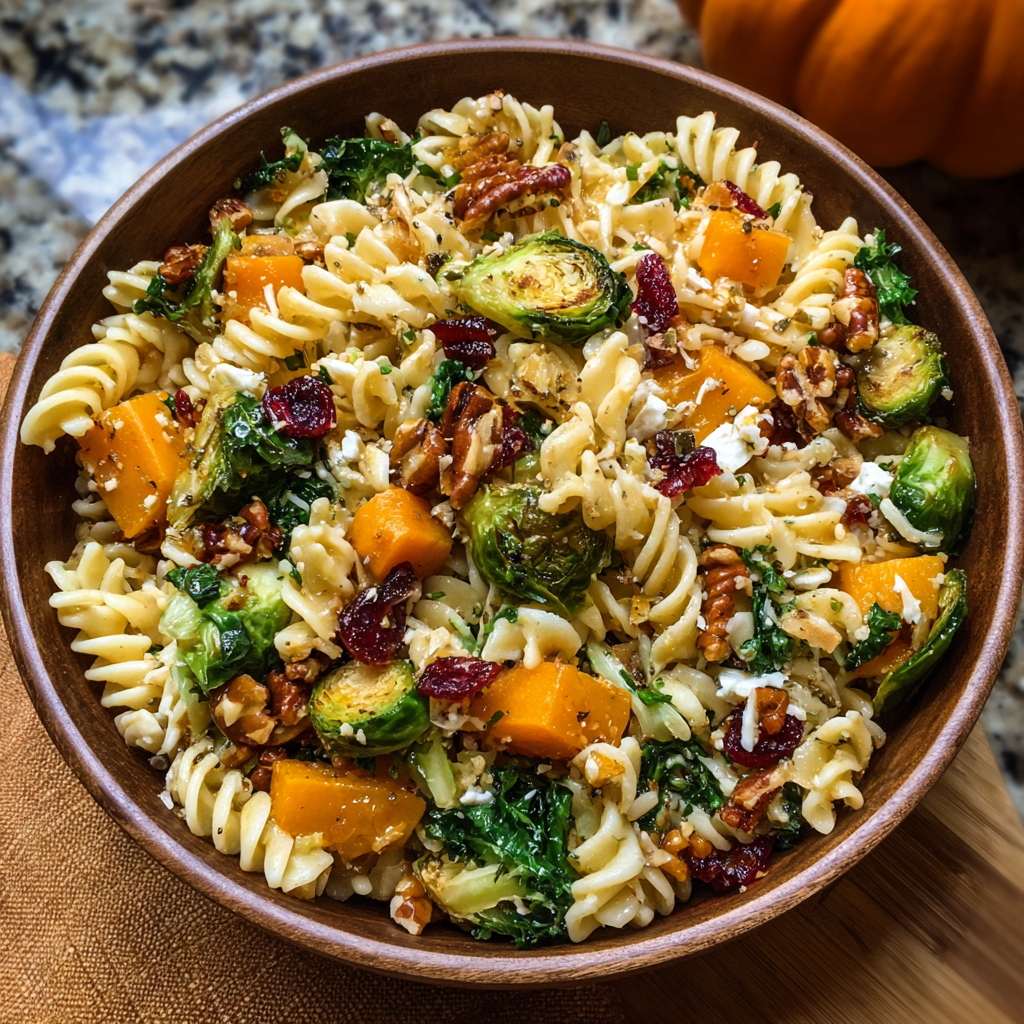
Fall Harvest Pasta Salad
A cozy, colorful salad that celebrates autumn flavors — roasted butternut squash and Brussels sprouts tossed with pasta, cranberries, pecans, and tangy feta, finished with a balsamic vinaigrette.

Cilantro Lime Steak Bowls
Bright, tangy cilantro-lime marinated flank steak served over rice with black beans, corn, fresh veggies and creamy avocado for a fast, healthy weeknight bowl.

Pecan Pie Crescent Rolls
Buttery crescent rolls filled with a sweet pecan pie–inspired filling — a quick, crowd-pleasing dessert perfect for holidays or weeknight cravings.
Did You Make This?
Leave a comment & rating below or tag @aiolirecipe on social media!
Rate This Recipe
Share This Recipe
Enjoyed this recipe? Share it with friends and family, and don't forget to leave a review!
Comments (1)
This recipe looks amazing! Can't wait to try it.
Comments are stored locally in your browser. Server comments are displayed alongside your local comments.
Hi, I'm Olivia!
What's Popular
30-Minute Meals!
Join to receive our email series which contains a round-up of some of our quick and easy family favorite recipes.